
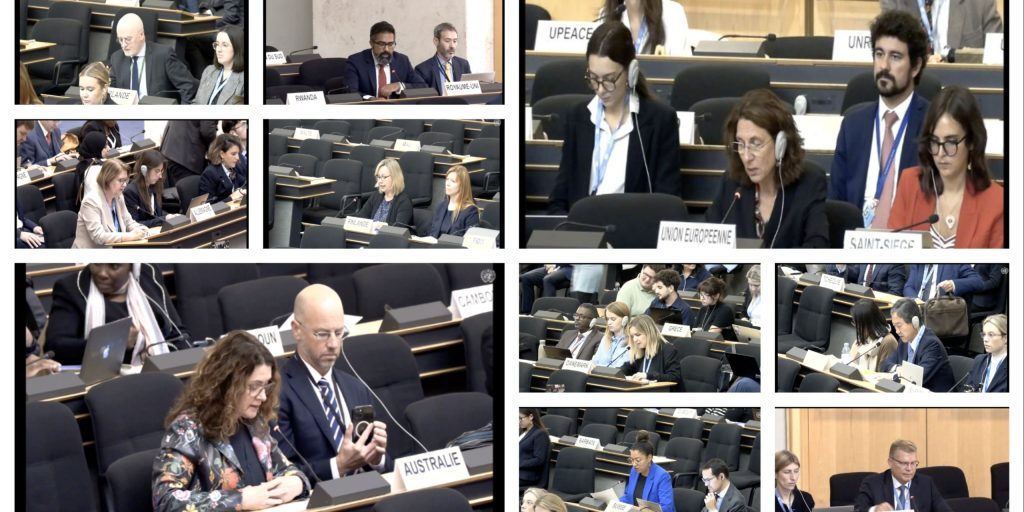
A wave of coordinated international concern over China’s worsening human rights record was voiced during the ongoing 60th session of the UN Human Rights Council (UNHRC) in Geneva, with Tibet emerging as one of the focal points of democratic nations’ interventions.
According to a Tibet.net report, statements delivered by numerous countries underscored a broad and unified call for China to respect international law, cooperate with UN mechanisms, and end systematic abuses in Tibet, East Turkestan (Xinjiang), Hong Kong, and mainland China.
The European Union demanded the release of Tibetan human rights defenders and urged China to fully cooperate with the Office of the High Commissioner for Human Rights (OHCHR), including implementing the recommendations of its country assessment report.
Australia voiced “grave concern” over violations against both Uyghurs and Tibetans, stressing that governments should not interfere in the selection of religious leaders, explicitly referencing His Holiness the Dalai Lama.
Finland and Ireland echoed similar concerns, pointing to restrictions on civic space and freedoms of expression, religion, assembly, and association. Ireland specifically raised repression of Uyghurs and Tibetans while calling for full respect for religious freedom.
The United Kingdom highlighted “deep concern” over religious and cultural restrictions in Tibet, questioning the unjust detention of Tibetan activists and widespread censorship and surveillance. Britain called on Beijing to restore fundamental freedoms and honour its human rights commitments.
Denmark, Japan, Switzerland, and Sweden also joined the chorus of concern. Japan stressed the importance of universal values such as human rights, freedom, and rule of law, noting that the situation in East Turkestan was “deeply concerning.” Switzerland called on China to respect minority rights under international conventions, while Sweden urged China to act on recommendations from the Universal Periodic Review, the OHCHR’s report on East Turkestan, and UN special procedures.
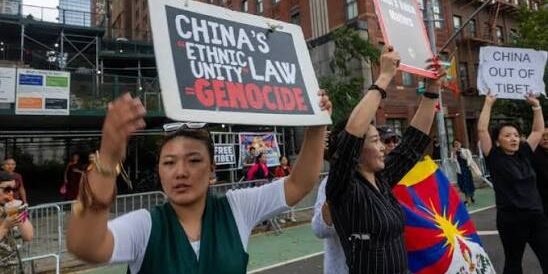
Together, these interventions underline the growing international consensus that China’s repression in Tibet and other regions must be addressed. The statements also add weight to ongoing Tibetan appeals for global accountability, reflecting a shift away from silence toward a more coordinated call for justice.




Leave a Reply