Tibet Ranked Least Free Region for Third Consecutive Year in Global Freedom Index

Tibet Ranked Least Free Region for Third Consecutive Year in Global Freedom Index

Tibet has once again been ranked the least free region in the world, receiving the lowest possible score in the Freedom in the World 2026 report published by Freedom House. For the third consecutive year, Tibet recorded an overall score of 0 out of 100, underscoring what the report describes as an environment of total political repression and near-absence of civil liberties.

The report assigns Tibet a political rights score of –2 out of 40 and a civil liberties score of 2 out of 60, reflecting systemic restrictions across governance, expression, religion, and daily life.

Intensifying Assimilation Policies

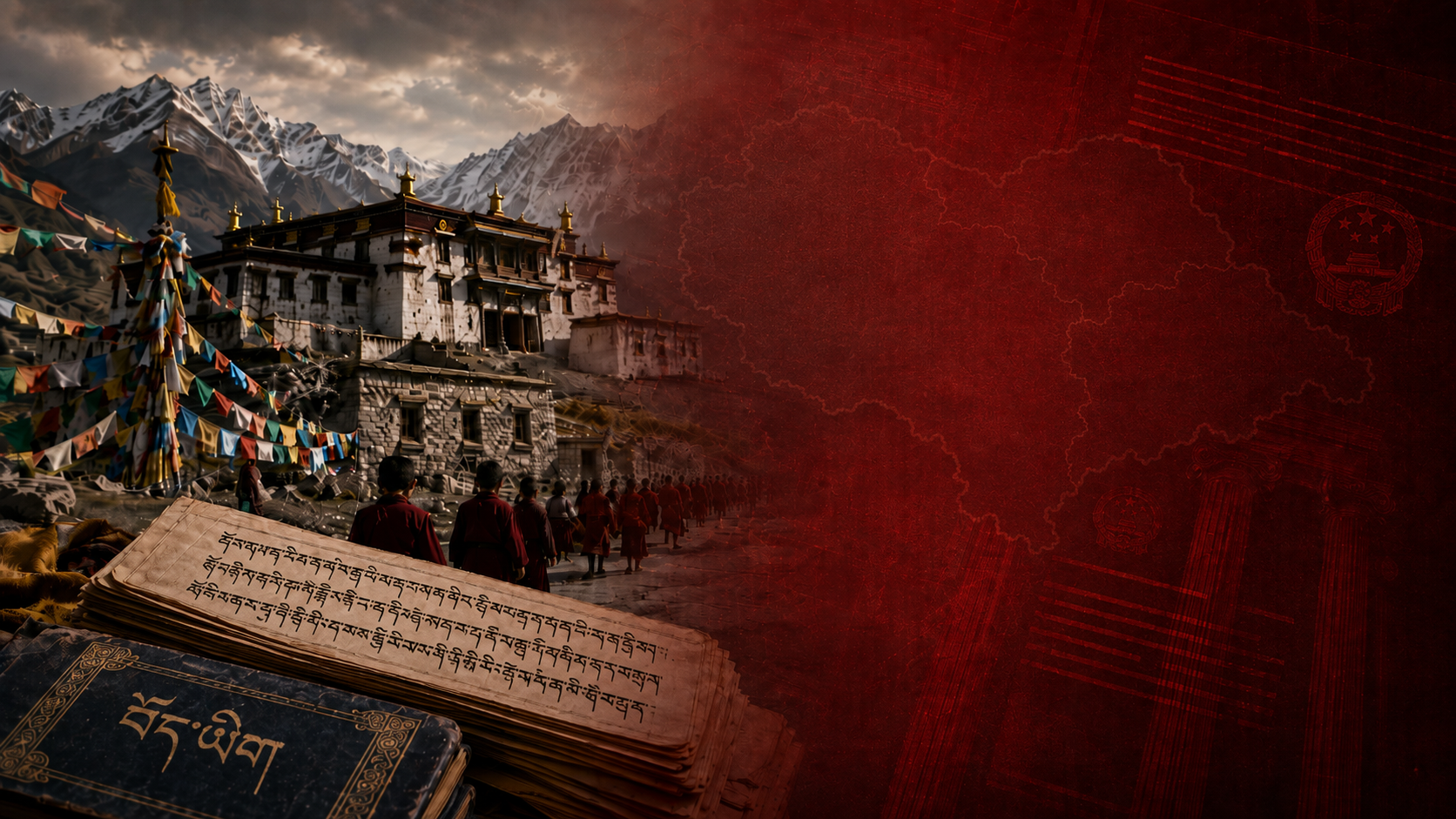
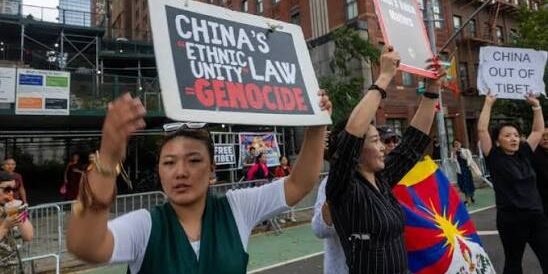
Among the key developments noted in this year’s report is the proposed Law on Promoting Ethnic Unity and Progress, introduced in September 2025. If enacted, the legislation is expected to formalize and deepen existing assimilation policies targeting Tibet’s linguistic, cultural, and religious identity.

This follows a broader pattern observed in previous Tibetan Journal reporting, where Beijing’s governance model in Tibet increasingly prioritizes ideological conformity and integration into a singular national identity framework.

Dalai Lama Succession Dispute
Tibetans Should Choose Dalai Lama's Reincarnation Says US
Tibetans Should Choose Dalai Lama’s Reincarnation Says the United States

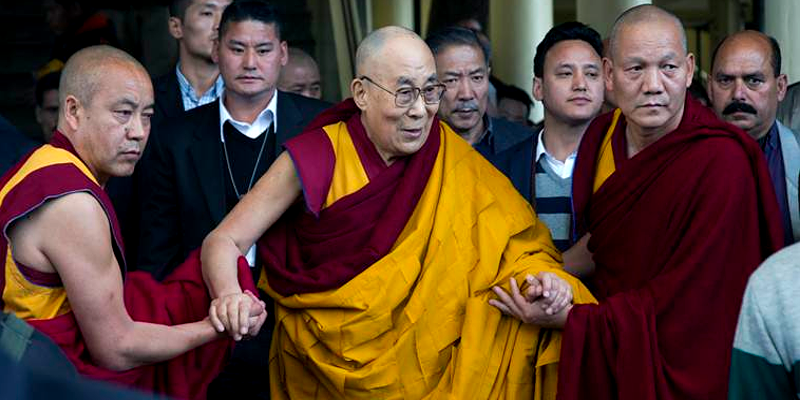
The report also highlights continued state interference in Tibetan religious affairs, particularly regarding the succession of the 14th Dalai Lama. Chinese authorities have maintained that they hold exclusive authority over the recognition of his successor.

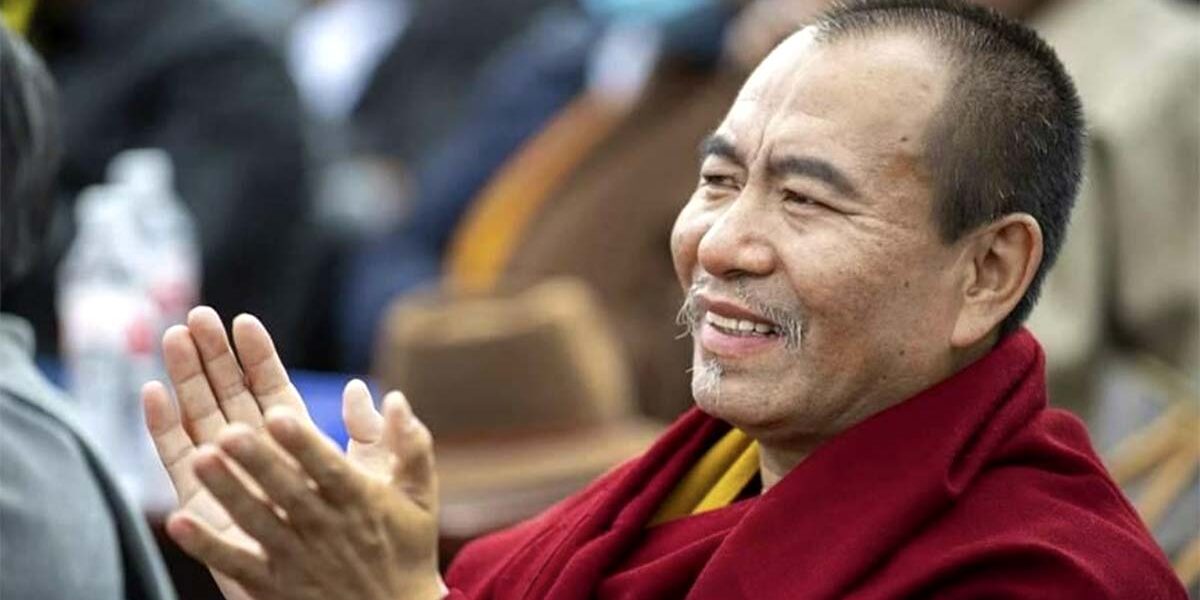
However, the Dalai Lama firmly rejected this claim in July, reiterating that only legitimate Tibetan Buddhist institutions operating under his established trust have the authority to identify the next reincarnation. This dispute remains a central point of tension, with implications for religious freedom and Tibetan identity.

Political Exclusion and CCP Control

The report attributes Tibet’s negative political rights score to the complete absence of meaningful political participation. Real power remains concentrated within the Chinese Communist Party, with key positions held by party-appointed officials such as Wang Junzheng.

See also  Dalai Lama Congratulates New Chief Minister of Karnataka

Tibetan officials, by contrast, are largely relegated to symbolic roles. Electoral processes are tightly controlled, with all candidates vetted by the CCP and no space for opposition parties or independent political activity.

Expressions of support for the Central Tibetan Administration are criminalized, further narrowing any remaining space for political pluralism.

Severe Restrictions on Civil Liberties

The report outlines sweeping restrictions across civil society:

  • Media and Expression: All media outlets remain under strict state control. Individuals risk detention for sharing politically sensitive information, while communication with foreign journalists is treated as a criminal offense.
  • Language Suppression: The use of Tibetan language is increasingly restricted, particularly on digital platforms.
  • Religious Control: Monasteries operate under constant surveillance, and monks are often required to denounce the Dalai Lama and pledge loyalty to the state.
  • Education and Indoctrination: Schools enforce Mandarin as the primary language of instruction while embedding political ideology into curricula.
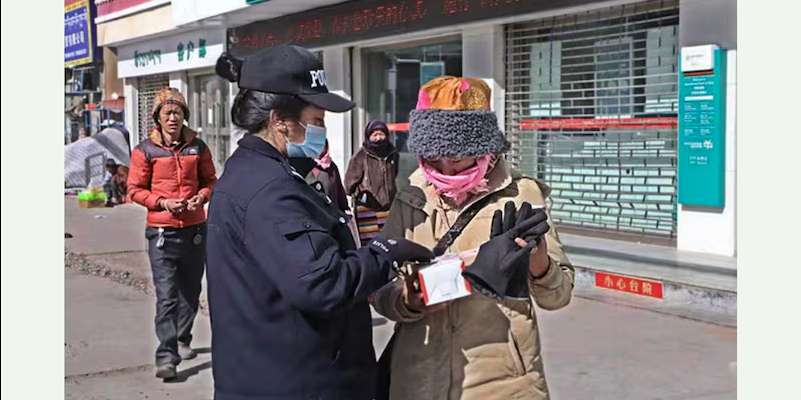
  • Surveillance State: Advanced monitoring systems, including facial recognition technologies, limit not only public dissent but also private expression.

The report also references the death in custody of Tibetan religious leader Tulku Hungkar Dorje in 2025, noting that the circumstances surrounding his death remain unclear.

Demographic and Cultural Pressures

Freedom House further observed that state-led migration policies and forced relocations continue to alter Tibet’s demographic landscape. The influx of Han Chinese settlers, coupled with the displacement of Tibetan communities, has contributed to a gradual decline in the proportion of ethnic Tibetans in their own homeland.

“Residents of both Han Chinese and Tibetan ethnicity are denied fundamental rights,” the report states, “but the authorities are especially rigorous in suppressing any signs of dissent among Tibetans, including manifestations of Tibetan religious beliefs and cultural identity.”

See also  Jammu & Kashmir Presents the True Harmony of India: Dalai Lama

A Continuing Pattern

This latest ranking reinforces a consistent pattern documented in recent years: Tibet remains at the bottom of global freedom indices, with no measurable improvement in political or civil conditions.

For observers and advocacy groups, the findings underscore a broader concern — that policies currently underway are not only maintaining repression but institutionalizing it further through legal and administrative frameworks.

As Tibet enters yet another year with the lowest possible freedom score, the report serves as both a record of present conditions and a warning about the trajectory of governance in the region.

Share this on


Leave a Reply

Your email address will not be published. Required fields are marked *

You may also like…