

In a grave assault on Tibetan religious heritage, Chinese authorities have demolished more than 300 Buddhist stupas and two revered statues in Drakgo (Ch: Luhuo) County, Karze (Ganzi) Tibetan Autonomous Prefecture in the traditional Tibetan province of Kham. The destruction, carried out in late May or June 2025 at Lungrab Zang-ri (ལུང་རབ་བཟང་རི།) near Janggang Monastery (འཇང་སྒང་དགོན་པ།), has left local Tibetans deeply traumatized.
According to sources inside Tibet, Chinese forces razed hundreds of medium-sized stupas along with three larger ones. In a further act of cultural vandalism, they destroyed a newly built statue of Khenpo Jigme Phuntsok, the late founder of Serthar Buddhist Institute, and a sacred statue of Guru Padmasambhava (Guru Rinpoche), one of the most venerated figures in Tibetan Buddhism.
Information Blackout and Mass Arrests
Following the demolitions, authorities sealed off the area, prohibiting all movement in and out. Tibetans caught discussing the destruction or sharing information risk immediate detention on charges of “leaking state secrets.”
Officials have claimed the stupas violated unspecified regulations and were built on “government land.” Stone debris from the demolished structures was swiftly removed to erase all traces of the sacred sites.
Systematic Cultural Annihilation
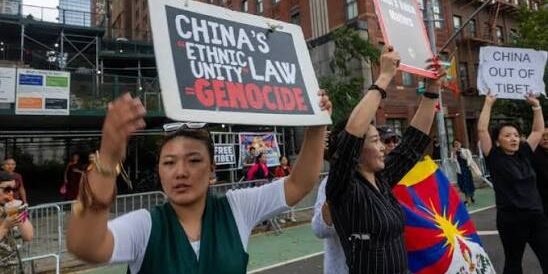
Tibetan sources describe this as the “second phase of the Cultural Revolution” — a targeted campaign to Sinicize Tibetan Buddhism and erase Tibetan cultural identity. The demolitions align with China’s broader policy of cultural genocide, in which religious practices are forcibly brought under Chinese Communist Party control.
The crackdown intensified after Decree No. 22 was issued by the National Religious Affairs Bureau on 1 December 2024, mandating that all monasteries operate under strict government management from 1 January 2025 under Article 43 of the Monastery Management Regulations.
Reign of Terror Against Religious Leaders
Chinese authorities have escalated persecution of Tibetan lamas, scholars, and community leaders who resist state control. Dissenters face arbitrary detention, fabricated charges, long-term imprisonment, and in some cases, enforced disappearance.
One of the most disturbing cases involved Tulku Hungkar Dorje, who was accused of refusing to host Beijing’s appointed Panchen Lama, composing long-life prayers for His Holiness the Dalai Lama, and resisting political indoctrination. Forced into hiding in Vietnam, he was later found dead in Chinese custody on 28 March 2025 after a covert operation by Chinese and Vietnamese authorities. Both governments have refused to disclose details, holding a secret funeral.
Restrictions During Dalai Lama’s 90th Birthday
As Tibetans worldwide celebrated the 90th birthday of His Holiness the Dalai Lama in July, authorities in Karze and neighboring regions banned all public gatherings until 23 July. Monks in Tibet’s Amdo region were forbidden from traveling in groups larger than five during this period.
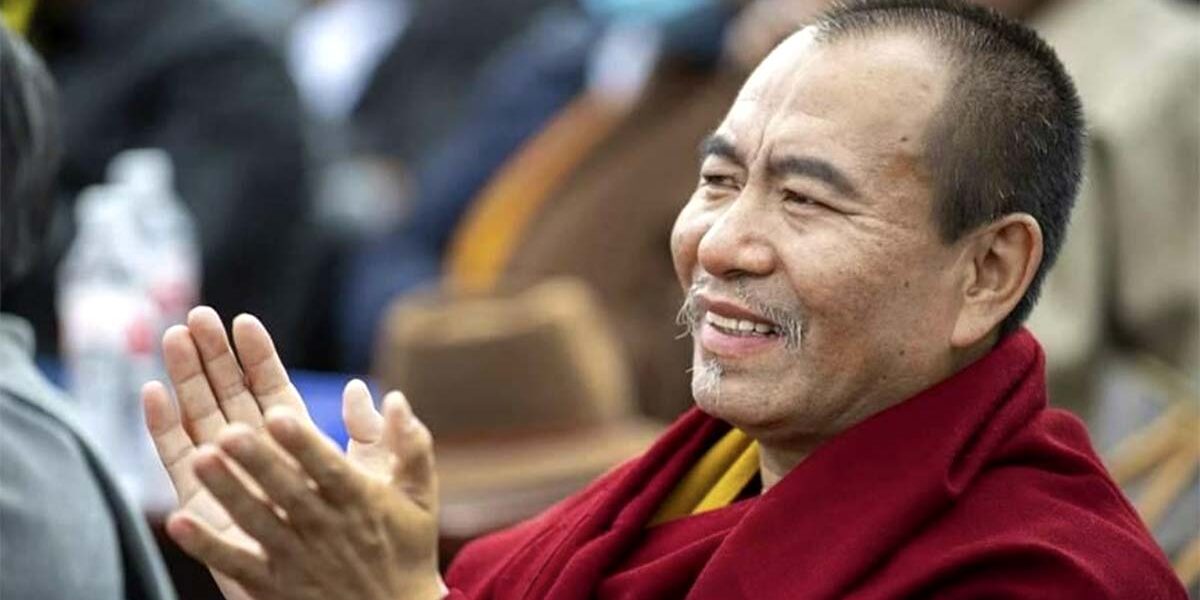
Khenpo Tenga (བསྟན་དགའ།) of Janggang Monastery, a key figure in constructing the stupas and statues at Lungrab Zang-ri, has been barred from meeting devotees or performing religious duties.
Pattern of Destruction in Drakgo
This latest destruction is part of a wider pattern. In November 2021, under orders from Drakgo County Party Secretary Wang Dongxin, authorities closed Drakgo Gaden Namgyal Ling Monastery’s school. The following month, they demolished two large statues and destroyed 45 mani wheels.
The razing of Lungrab Zang-ri’s sacred structures marks a significant escalation — hundreds of stupas and statues destroyed in a single operation.
Information Suppression Continues
With the region under complete communications lockdown, independent verification remains nearly impossible. The blackout underscores the systematic nature of Beijing’s campaign to suppress evidence of cultural destruction.
This latest assault is yet another chapter in China’s decades-long effort to dismantle Tibetan religious and cultural life — a relentless attempt to erase centuries of spiritual heritage from existence.


Leave a Reply