
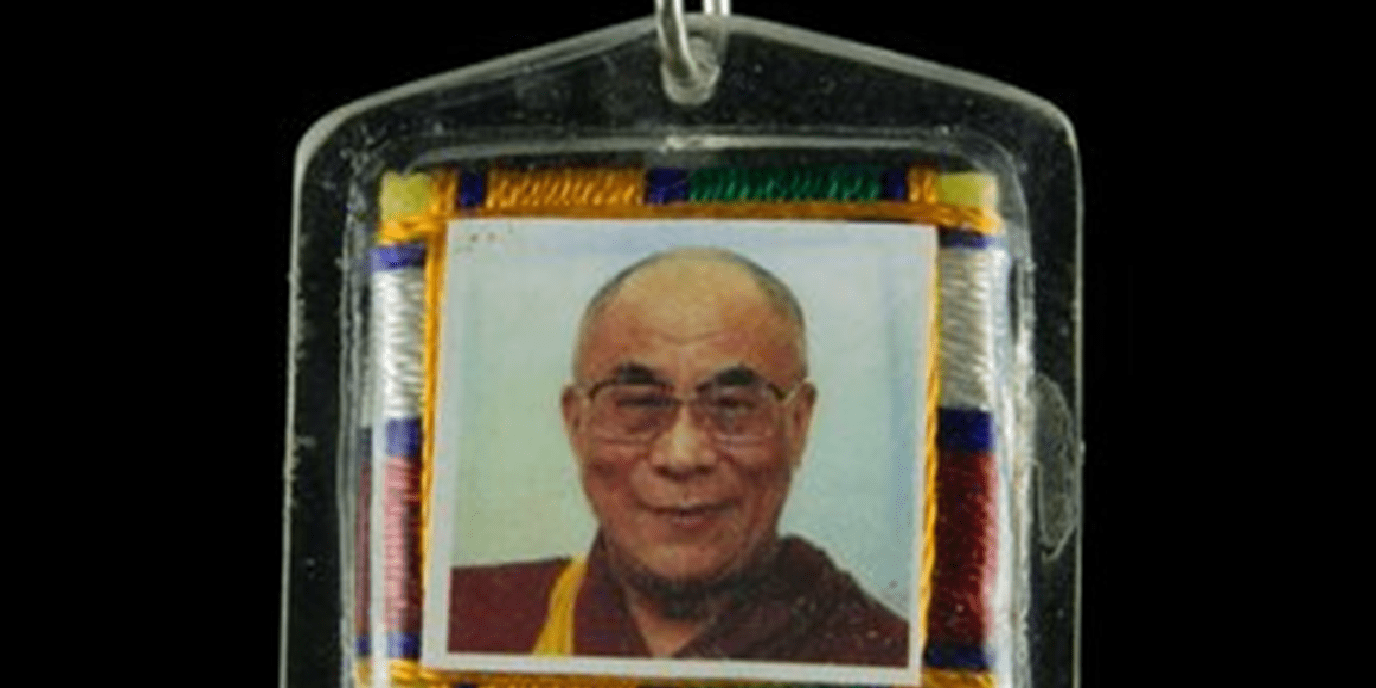
Chinese authorities have reportedly launched a sweeping campaign of raids across monasteries and Tibetan households in Amdo, eastern Tibet, forcibly confiscating photographs of His Holiness the Dalai Lama. According to Tibet Times, a Dharamshala-based Tibetan-language media outlet, the searches began on October 16 and continued for four days across multiple villages and religious institutions.
Three Tibetan officials, claiming to act under orders from the Chinese government and county authorities, carried out the raids at Tashi Khyil Monastery in Labrang and surrounding villages including Thangnag, Ngonchak, Ledruk, Sangkhok, and Marteng. The officials seized approximately four large bags of framed photos from monastic quarters and private homes.
“The Chinese government, starting from Thursday of last week, not only confiscated photos from monasteries and homes but also conducted intensive searches across Marteng alone, filling three large bags and continuing to fill a fourth,” a local source told Tibet Times.
The same source noted that all three inspectors were Tibetans themselves, and in some cases, they commended families who had preemptively hidden the photographs, calling them “good examples.” While the searches were described as forceful and intimidating, no reports of physical assault, arrest, or detention emerged between October 16 and 19. However, the sudden nature of the inspections left many Tibetans frightened and compelled to surrender the portraits of their exiled spiritual leader.
Since October 19, communication with the affected region has reportedly been cut off, making it impossible to verify whether further detentions or violence have occurred.
A Broader Campaign of Cultural Suppression
The confiscation of the Dalai Lama’s images is part of a decades-long campaign by the Chinese government to suppress expressions of loyalty to the Tibetan spiritual leader. Authorities routinely justify such actions under the pretext of “maintaining political stability” and “fighting separatism.”
Similar crackdowns have taken place across Tibetan regions in recent years. In March 2021, officials in Dza Wonpo village, Sershul County of Kardze (Chinese: Ganzi) Prefecture, Sichuan Province, ordered every Tibetan household to remove portraits of the Dalai Lama and replace them with images of Chinese leaders. Residents were also forced to sign a five-point pledge vowing not to possess, distribute, or display “prohibited” portraits, or share related content online. Those who disobeyed were threatened with the loss of all government subsidies and welfare benefits.
In many cases, Tibetans found with photos of the Dalai Lama have faced severe punishment, including imprisonment, torture, and disappearance, under broad charges such as “inciting separatism” or “endangering national security.”
Targeting Labrang Monastery
Labrang Tashi Khyil Monastery, where the most recent raids began, is one of the six great monasteries of the Gelug school of Tibetan Buddhism founded by Je Tsongkhapa. Located in Sangchu (Chinese: Xiahe) County of Kanlho (Gannan) Prefecture in Gansu Province, Labrang is historically one of the largest centers of monastic learning outside the so-called Tibet Autonomous Region.
The monastery has long been under heavy surveillance and control, as it remains a symbol of Tibetan religious and cultural identity. The recent raids, carried out by local Tibetan officials on behalf of Beijing, illustrate the continued pressure on Tibetans to publicly renounce their devotion to the Dalai Lama—a devotion deeply embedded in their spiritual and national identity.
A Continued Violation of Basic Rights
The repeated confiscation of the Dalai Lama’s photographs underscores the broader suppression of religious freedom and cultural expression under Chinese rule in Tibet. Even as Beijing claims to promote “ethnic harmony,” its actions in regions like Amdo reveal a systematic effort to erase Tibetan spiritual reverence and allegiance to their leader in exile.
While Tibet Times has not reported arrests or physical violence in this particular incident, the fear and humiliation inflicted through such raids serve as a stark reminder of the daily repression faced by Tibetans in their own homeland.


Leave a Reply