
I was born in Bylakuppe, one of the largest Tibetan settlements in southern India. From childhood, I grew up in simple barracks, along muddy roads, and among fields shaped by limited resources. These experiences have deeply influenced how I understand our community and its future.
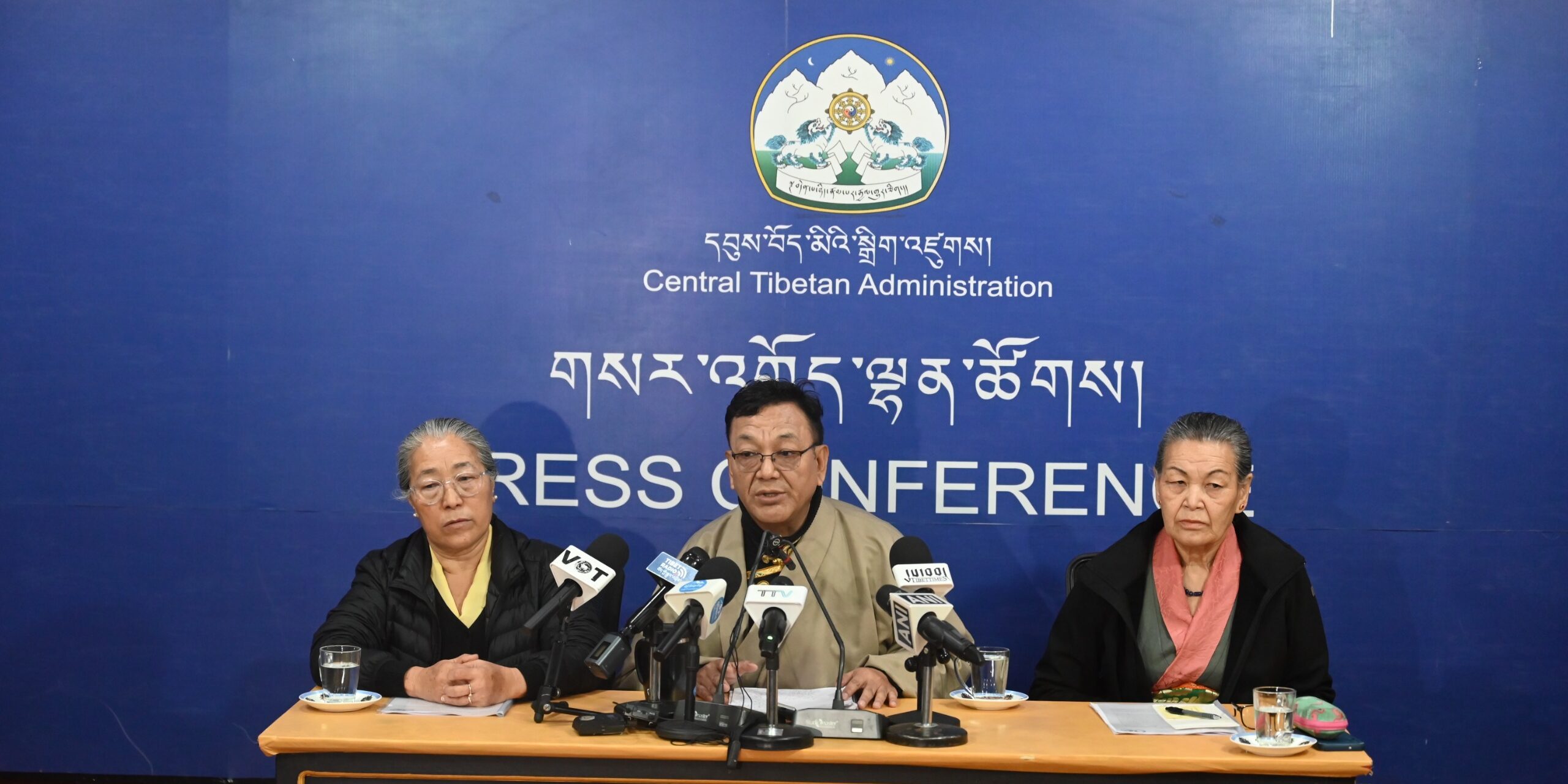
Over the years, I have found myself increasingly concerned about the direction of our democratic system in exile. Observing the recent budget session of the 17th Tibetan Parliament-in-Exile, the procedures appeared structured and orderly on the surface. Yet, for many ordinary Tibetans, these processes often feel distant from the realities we face in our daily lives.
Today, a growing number of young Tibetans are leaving the settlements, moving to cities across India or abroad in search of better opportunities. Meanwhile, many settlements continue to struggle with economic stagnation, limited educational resources, and healthcare systems that depend heavily on international aid. In this context, it is difficult not to question whether parliamentary priorities are sufficiently aligned with these urgent challenges.
During the session, significant time was devoted to discussions on office budgets, national symbols, and resolutions. While these are undoubtedly part of governance, many in the community wonder whether such deliberations translate into tangible improvements — whether they can strengthen schools in settlements like Bylakuppe, create employment opportunities for youth, or improve access to basic services.
Another recurring theme in the session was the emphasis on “unity.” While unity remains essential for our collective future, it is equally important to acknowledge and address the internal challenges within our exile community — including regional divisions, sectarian differences, and the complex relationship between religious and political spheres. Without engaging these issues directly, calls for unity risk remaining aspirational rather than transformative.
At a deeper level, these concerns point to structural limitations within our system. When His Holiness the Dalai Lama established the Tibetan Parliament in 1960, it marked a historic step toward democratic governance in exile. More than six decades later, however, the context remains profoundly constrained. The system operates without sovereignty, economic independence, or full political agency, relying significantly on the support of the host country and the international community.
The Parliament continues to meet regularly, reviewing budgets, questioning ministers, and passing resolutions. Yet, from the perspective of many in the settlements, the outcomes often feel repetitive — centered on familiar themes such as condemning Chinese policies or calling for dialogue, without producing visible changes in everyday life. Policies like the Middle Way Approach remain central to official discourse, even as their practical impact appears limited in the face of China’s continued intransigence.
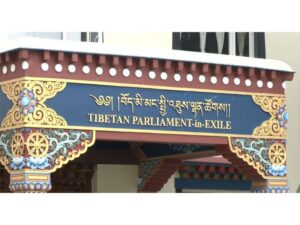
Elections are held every five years, reflecting an important democratic process. However, beyond periodic changes in representation, many underlying challenges remain unresolved. This raises a broader question: how can our democratic system evolve to become more responsive to the lived realities of the people it represents?
This reflection is not a rejection of democracy. On the contrary, it comes from a place of belief in its potential. Exiled Tibetans are not merely voters or participants in a system — we are individuals and families navigating real economic, social, and cultural challenges. Many parents continue to work in difficult conditions, while younger generations increasingly find themselves disconnected from settlement life.
What is needed is a more grounded and responsive approach — one that prioritizes investment in settlement infrastructure, youth employment, education, and cultural preservation. Equally important is creating stronger pathways for grassroots voices to reach decision-making spaces, ensuring that governance reflects the diversity and complexity of the Tibetan exile experience.
As we look ahead to the 18th Tibetan Parliament, there is an opportunity to reflect and reform. Strengthening democratic practice requires not only preserving its structures, but also renewing its connection to the people it serves. Without such efforts, there is a risk that the gap between democratic ideals and lived realities will continue to widen.
The future of the Tibetan people in exile depends not only on sustaining our institutions, but on ensuring that they remain meaningful, responsive, and rooted in the needs of the community.
Disclaimer: The views expressed in this opinion piece are those of the author and do not necessarily reflect the views of Tibetan Journal.



Leave a Reply