

The latest annual report by the Congressional-Executive Commission on China (CECC) paints a grim picture of life under Chinese rule in Tibet, documenting widespread and systematic human rights violations that continue to erode Tibetan religious freedom, language rights, cultural survival, and personal security.
Released on December 10, 2025, the CECC 2025 report exposes how Beijing’s long-promised “autonomy” for Tibet has instead resulted in “mass detentions and omnipresent surveillance,” coupled with policies that aggressively undermine Tibet’s distinct identity.
Religious repression and control of faith
One of the most alarming findings of the report is the continued assault on Tibetan religious life. The CECC documents the mass expulsion of monks and nuns from Larung Gar, once one of the world’s largest centers of Buddhist learning, as part of a broader campaign to restrict and control religious practice.
Chinese authorities, the report notes, have intensified efforts to assert state control over the selection of Tibetan Buddhist religious leaders—an intrusion that directly challenges centuries-old religious traditions. Tibetans continue to face detention and imprisonment simply for expressing reverence for Dalai Lama, with surveillance and harassment extending deep into everyday life.
Silencing language and culture
Echoing findings by the International Campaign for Tibet (ICT), the CECC highlights an accelerating erosion of Tibetan language rights. Policies enforcing Mandarin Chinese in schools and public life—alongside the neglect of minority languages—are steadily marginalizing Tibetan as a living language of instruction and expression.
The report also documents the arrest of language and rights advocates, including the tragic case of Gonpo Namgyal, who died from torture while in Chinese custody. His death stands as a stark reminder of the extreme risks Tibetans face for peacefully defending their cultural and linguistic heritage.
Colonial boarding schools: “Like a prison”
A dedicated section of the report examines the colonial-style boarding school system imposed on Tibetan children. According to testimonies cited by the CECC, children in these schools endure abusive and neglectful conditions, including beatings, food deprivation, discriminatory treatment, and forced “political education.”
Several escapees described the schools as “like a prison,” underscoring how state policies separate children from their families and communities in the name of assimilation.
Environmental exploitation and displacement
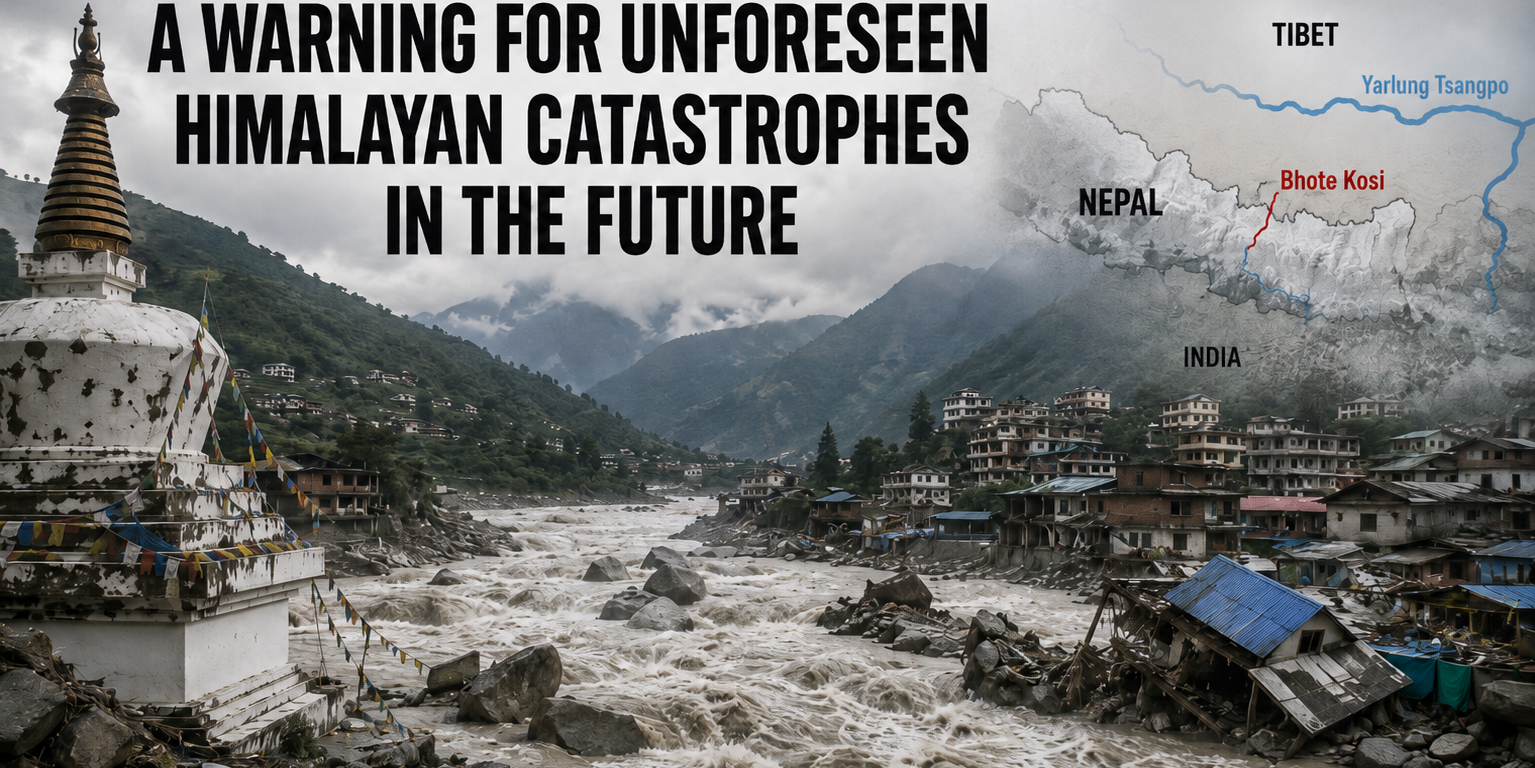
The CECC repeatedly cites ICT reporting to highlight the environmental and human costs of China’s infrastructure projects in Tibet. Large-scale mining and hydropower construction have displaced local communities, damaged fragile ecosystems, and increased the risk of landslides and earthquakes.
According to ICT, at least 193 hydropower dams have been built or planned across Tibet since 2000. The report also raises serious concerns about China’s proposed Yarlung Tsangpo dam—touted as the world’s largest hydropower project—which threatens to further exploit Tibetan land while endangering downstream communities in India and Bangladesh.
Tibet sealed off from the world
The report confirms that Tibet remains one of the most restricted regions on earth. US officials continue to be denied access, while travelers are subjected to conspicuous surveillance designed to intimidate and silence.
“China is going to extreme lengths to hide the situation in Tibet from the world,” said Tencho Gyatso, president of ICT. International journalists, she noted, are either barred entirely or taken on tightly controlled Potemkin-style tours, while Tibetans face draconian punishment for sharing information with the outside world.
No dialogue, no progress
Perhaps most troubling is the report’s conclusion that Beijing has shown no interest in resuming dialogue with the Tibetan leadership. The CECC observed “no interest or progress” by the People’s Republic of China toward restarting talks with representatives of the Dalai Lama or the Central Tibetan Administration—a dialogue that has remained frozen since 2010.
This prolonged silence, the report warns, poses a serious obstacle to any peaceful resolution of the Tibet-China conflict and to the realization of the Tibetan people’s right to self-determination.
A call for international action
The CECC report serves as a powerful indictment of China’s policies in Tibet and a sobering reminder that repression continues largely unchecked. As the report underscores, international scrutiny and sustained pressure are essential.
For Tibetans, the findings reaffirm a painful reality long known within the community. For the international community, the report is a call to move beyond rhetoric—by demanding accountability, restoring access to Tibet, and urging Beijing to return to meaningful negotiations in the interest of justice, dignity, and a peaceful future for Tibet.





Leave a Reply