
Chinese leader Xi Jinping’s surprise trip to Tibet last week, spanning nearly 2,000 miles, was framed as a celebration of the 60th anniversary of the founding of the so-called Tibet Autonomous Region. Yet beneath the official fanfare lay Beijing’s true agenda: sending a warning to Tibetans as the Communist Party prepares to tighten its grip on the plateau, especially over the question of the Dalai Lama’s succession.
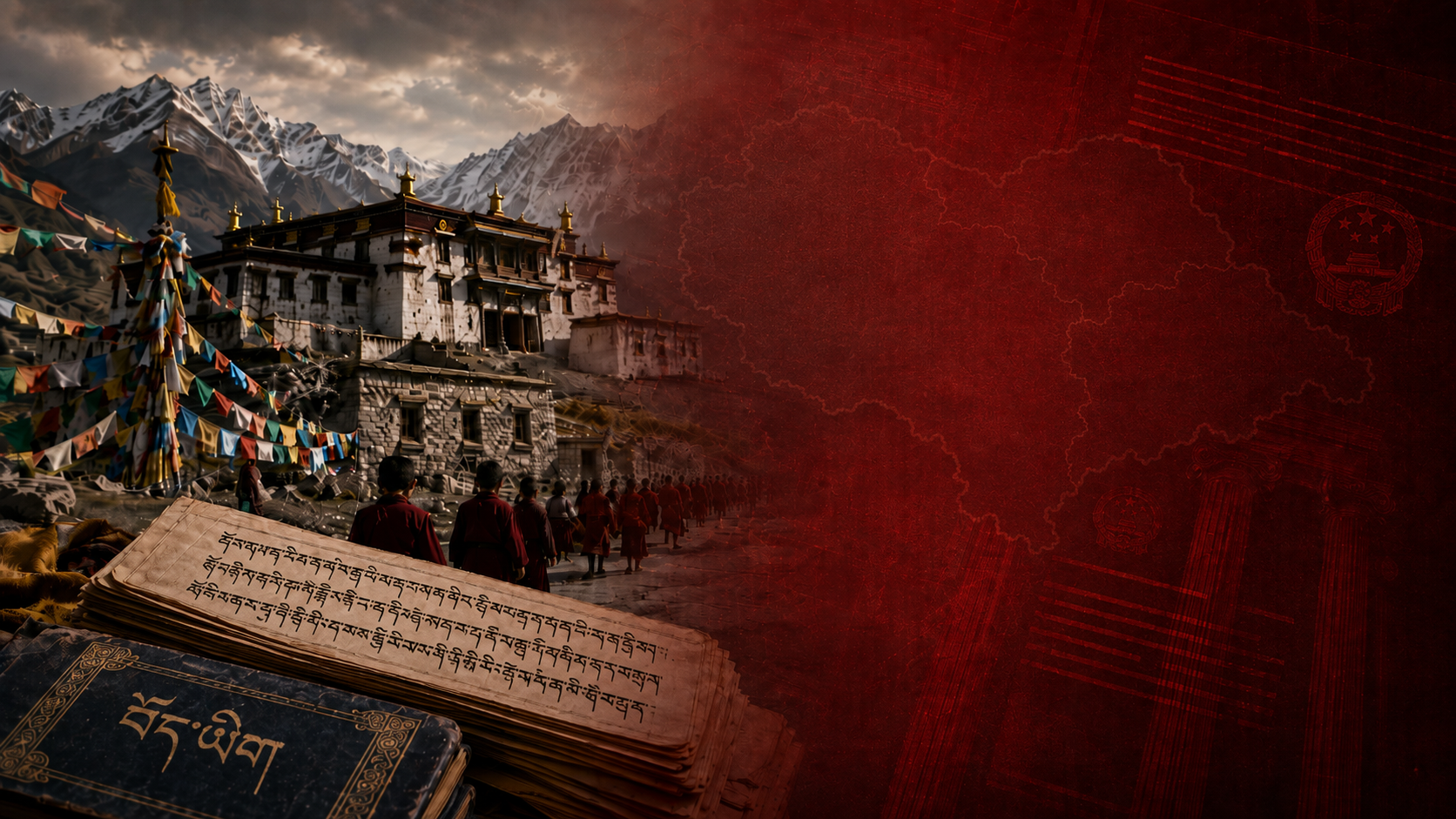
Xi, speaking in Lhasa, emphasized that his top priority is to ensure “political stability, social stability, national unity and religious harmony.” He further instructed cadres to follow the “systematic promotion of the sinicization of religion” and “rule of law” in handling religious affairs. In plain terms, Xi’s government seeks to remake Tibet as more culturally and politically Chinese, with direct control over its religious leadership.
The Dalai Lama Turns 90
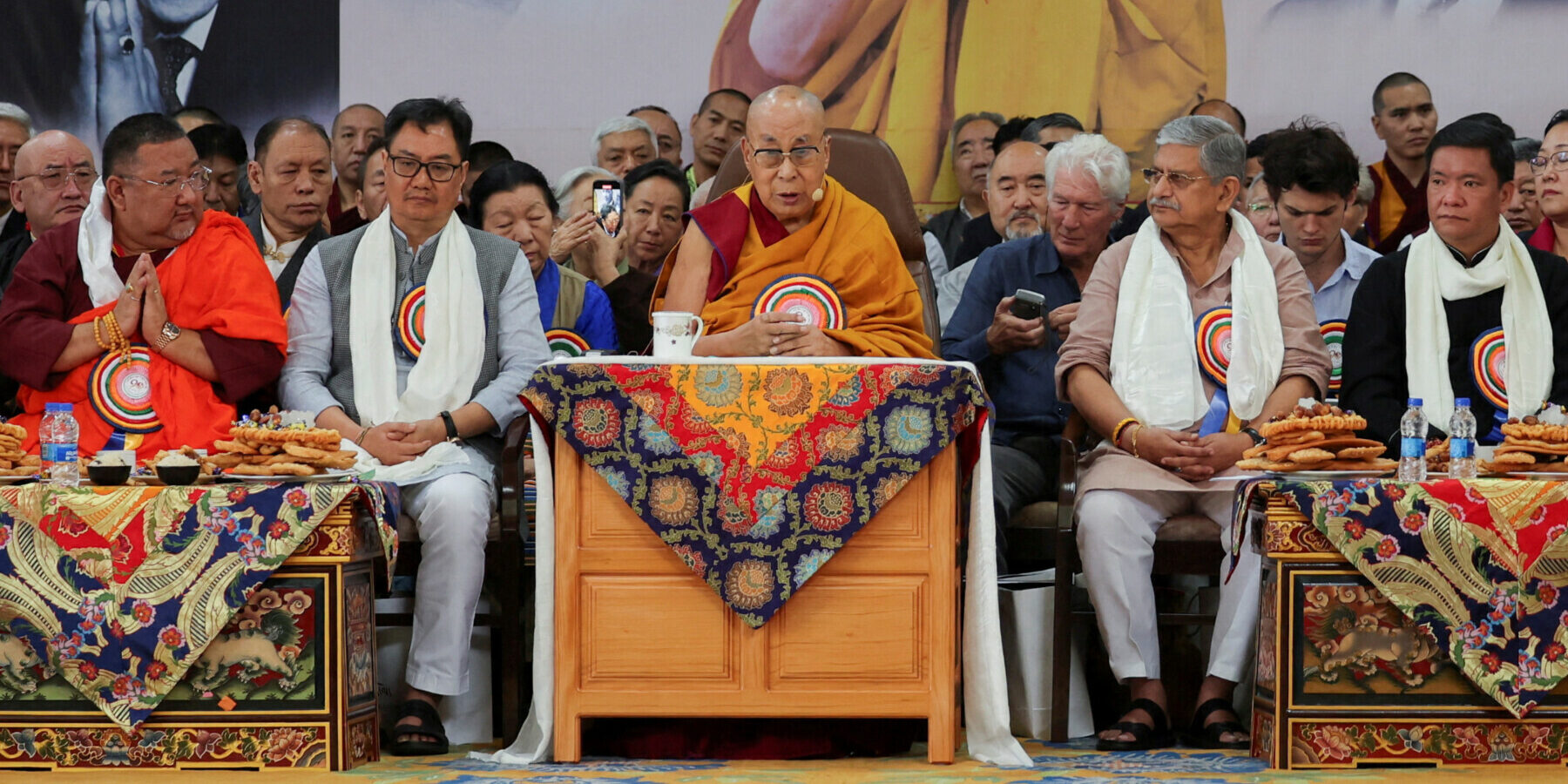
The timing is no coincidence. Last month, Tibet’s spiritual leader, His Holiness the 14th Dalai Lama, turned 90. While he remains in good health, his eventual succession looms as a historic moment for both Tibetans and Beijing. Tibetan Buddhist tradition dictates that the Dalai Lama reincarnates after death, with the next incarnation recognized by senior lamas. The current Dalai Lama himself was identified at the age of two in Amdo (now Qinghai).
For Beijing, however, the succession represents an opportunity to claim control. Despite its official atheism, the Communist Party insists it has authority to “select” the next Dalai Lama—an absurd yet calculated move to undermine Tibetan autonomy and neutralize global support for Tibet.
A Familiar Playbook
China has already hijacked Tibetan reincarnation traditions before. In 1995, after Tibetans recognized the 11th Panchen Lama, Beijing abducted the six-year-old boy and installed its own candidate. The boy recognized by the Dalai Lama, Gedhun Choekyi Nyima, remains missing to this day, known as the world’s youngest political prisoner.
Many fear Beijing will attempt the same with the Dalai Lama’s succession, paving the way for a state-approved puppet leader.
The Dalai Lama Pushes Back
Anticipating such a move, the Dalai Lama has made his position unmistakably clear. Ahead of his 90th birthday, he announced in a video message that only the Gaden Phodrang Trust, his official foundation, has the authority to recognize his successor. “No one else has any such authority to interfere in this matter,” he declared, preemptively rejecting Beijing’s plans.
From his exile in Dharamshala since 1959, the Dalai Lama has led a campaign for the preservation of Tibetan culture and religion. Awarded the Nobel Peace Prize in 1989, he has consistently promoted non-violence and called not for full independence but for genuine autonomy within China.
Strategic Stakes
For Beijing, Tibet is not only about religious control but also about geopolitics. The plateau borders India, China’s regional rival, making Tibet a critical strategic buffer. As Xi consolidates power, controlling the Dalai Lama’s succession offers both symbolic and practical dominance over Tibet’s future.
A Contentious Future
Xi’s recent visit, cloaked as celebration, was in fact a stark reminder: Beijing intends to decide Tibet’s destiny. Yet Tibetans, guided by the Dalai Lama’s reaffirmation of their spiritual traditions, continue to resist China’s interference. The coming years promise to be a tense and defining struggle over faith, identity, and sovereignty.


Leave a Reply